Removal
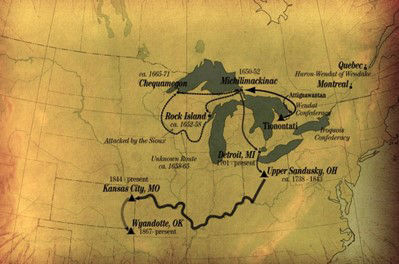
Indian Removal was the US government policy of forcibly removing Native American nations on the east side of the Mississippi River to the west of that waterway into what the government designated “Indian Country.” While most Americans know about removal through the lens of the Cherokee Trail of Tears, the Cherokee were only one of eighteen nations the government forced off their land. This included all of the nations living in Ohio, like the Delaware, Shawnee, and eventually the Wyandot.
Removal began as an official policy when President Andrew Jackson and his allies in Congress successfully passed the Indian Removal Act in 1830. This act essentially revoked all existing treaties with Native nations and gave the government authority to negotiate new ones that forced Indigenous groups off their land in exchange for land and annuities in the west. Hardly legal under the constitutional understanding of treaties, this law leaned on the “Doctrine of Discovery.” This doctrine, laid down in an 1823 Supreme Court case, argued that Native peoples never owned the land they lived on. Instead, as soon as Europeans arrived in North America, those people took possession of the land. Native Americans could live on the land, but they had no right to actually claim it as their own. With this in mind, the US could nullify existing treaties because technically, the government owned the land anyway. This “legal” theft was the backbone of removal.
The US did not want to employ military force, however, though they were willing to do so, as in the case of the Seminole in Florida. They preferred negotiation, and the Wyandot used these negotiations to resist, delay, and to attempt to make removal as painless as possible when it came.
Negotiation efforts began in 1831 with Col. James Gardiner, a veteran Indian Agent and negotiator who had already secured treaties for removal with several other nations in Ohio. The Wyandot, however, were not convinced that removal was in their best interest. The nation had thrived in the Grand Reserve in Upper Sandusky for generations. Wyandots were landowners, some holding substantial acreage, shopkeepers, and craftsmen. They had adopted Methodism, improved their land, and largely assimilated to the White culture around them.
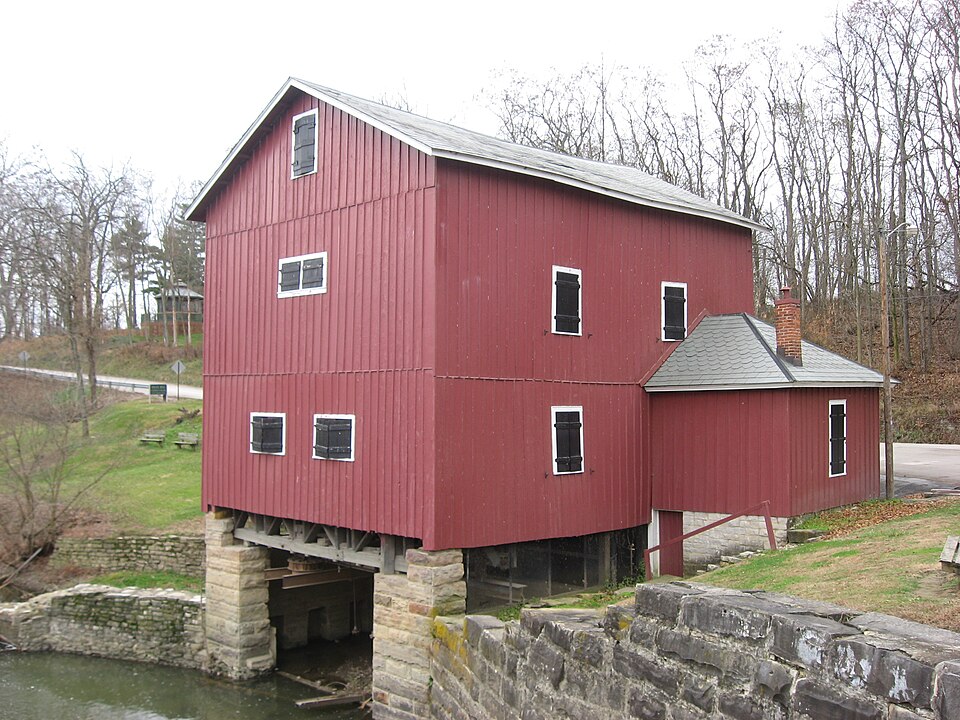
This is not to say that they became exactly like the White Americans around them. Wyandots remained Wyandot. They still operated under a tribal government with a head chief elected from all the clans every year. They still went on traditional hunting trips and respected their heritage as a powerful Indigenous nation. Still, they adopted many White practices in the hopes that this would convince the settlers crowding around them that removal was not necessary. Gardiner came to them to convince the Wyandot that it was necessary.
Wyandot leaders did not believe him, nor did they believe that the land offered in the west was going to provide for them the same way the land they had farmed and improved did in Ohio. To try and persuade the Wyandot to move, Gardiner took a group of five, led by William Walker Jr., west to Kansas. When they returned in 1832, Walker and the others reported that while the land was decent, it was not comparable to what they had already built in Ohio. Moving did not make sense. With this recommendation, the majority of the Wyandot rejected Gardiner’s offer.
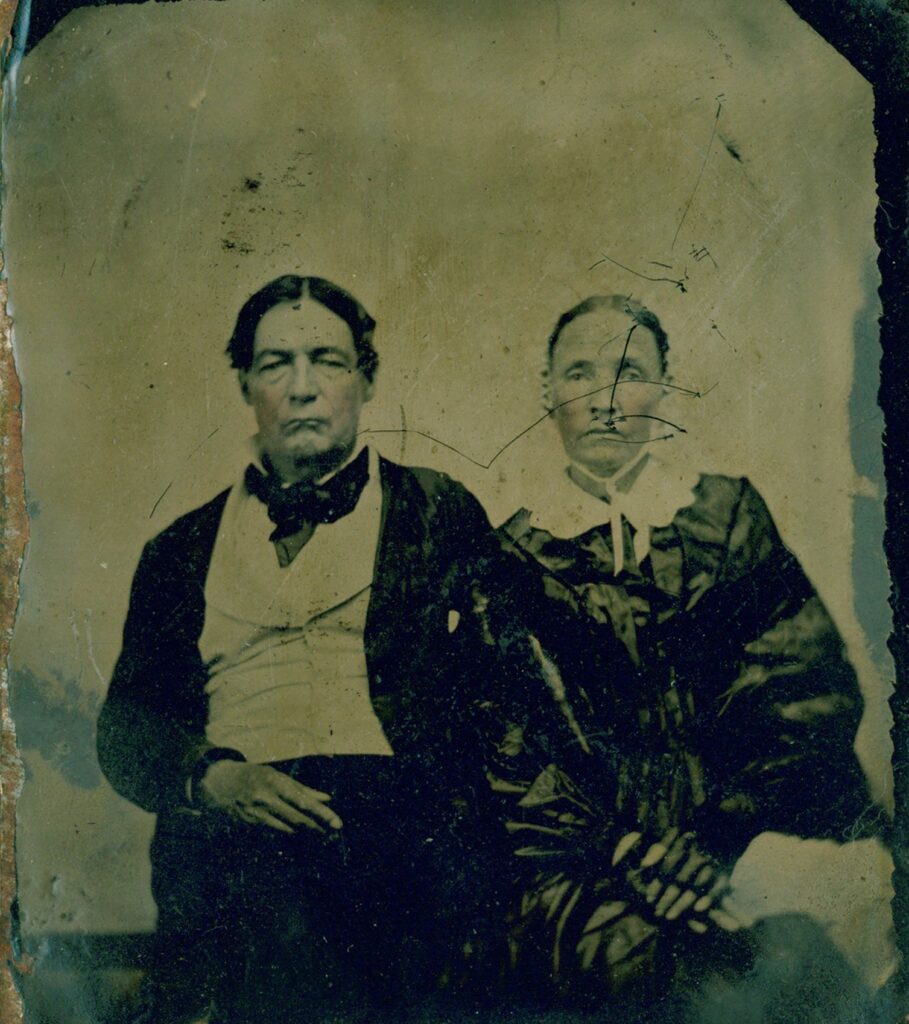
Not everyone agreed with Walker, however. Gardiner was able to convince the Wyandot living in Big Spring, north of the Grand Reserve, to sell their 16,000 acres to him and the US government. The people living there could either go to Kansas, Michigan, Canada, or south to the Grand Reserve. Most chose to move to the Reserve. Though many Wyandot were furious over this sale, they did learn that doling out some of their land could buy more time to avoid removal entirely.
After this sale, negotiations for removal ceased until 1834 when Ohio Governor Robert Lucas got permission to reopen talks. He hit an immediate roadblock when Chief Summundewat returned from Kansas and gave another bleak report about the land out west. Again, the majority of the nation wanted to reject any talks about removing the Kansas.
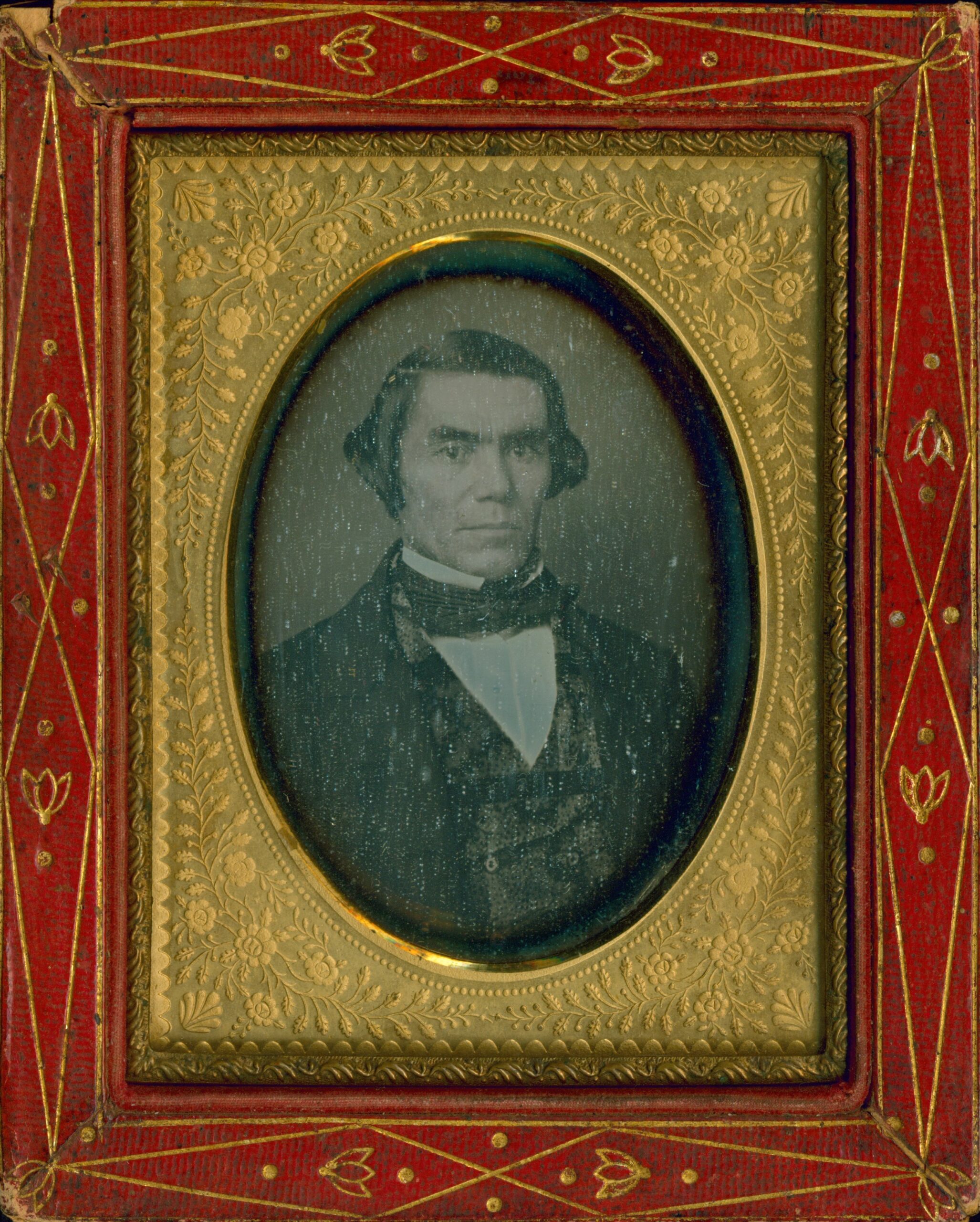
The majority was not unanimous, however. The Big Spring treaty in 1832 and the reaction to Summundewat’s report showed fractures in the nation. In general, the nation was divided between full Wyandots and mixed race, Christian Wyandots. Full Wyandots tended to favor removal, which much of the mixed race leadership rejected it. William Walker Jr. and Silas and John Armstrong were mixed race leaders who fought hard against removal. Chief Rontondee, or Warpole as Americans referred to him, supported removal.
Lucas, however, could not convince either party to break fully, and his negotiations failed, again. The Wyandot leadership did not decide for the nation. Instead, they took a vote and let democracy rule. Voting members rejected removal, but the division between the two parties was still present, and the next set of negotiators sought to exploit it.
In 1837, the Congressman for Sandusky, William Hunter, Joseph McCutcheon, who was part of the Big Springs deal, and Indian Agent Henry Brish decided to try and get the land by dealing with individual pro-removal chiefs. They approached Warpole, and he sold them a section of his land. Under Wyandot law, it was illegal for him to sell his land as an individual to an American. The law was in place specifically to avoid removal through piecemeal land losses to Americans. Wyandot leaders threw Warpole in jail, but the War Department declared that the Wyandots operated under Ohio law, not their own. No law in that state barred individual land sales, so Warpole had to be released and the sale had to stand.
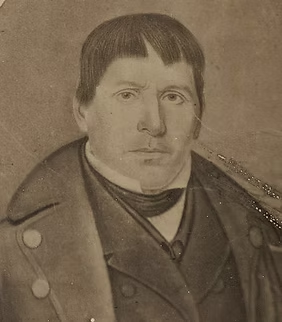
Even with this minor loss, negotiations for all of the land failed again. Anti-removal Wyandot leaders like Walker and the Armstrongs only became more convinced that removal was not an option. To try and sway them, the US government sent out John Johnston as their new agent in 1841. He firmly believed that removal was in the Wyandot’s best interest. He had lived in and around the Ohio nations since the turn of the century, and believed that they would be erased by White settlers if they did not leave. Obviously, this stance accepted White violence and treaty breaking as a matter of course, but he took his earnestness into the negotiations, sometimes at odds with his instructions from the War Department.
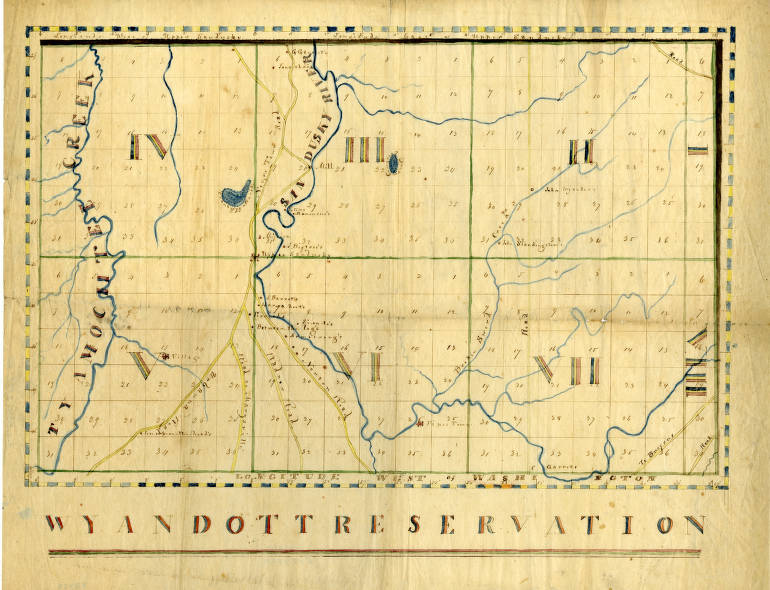
When Johnston began negotiations, the Grand Reserve included 109,144 acres. In exchange, he promised:
- An increased annuity from $6,900 to $12,000.
- The Wyandot could deduct $2000 from that to build and operate a school.
- $2000 annually for 10 years for farm equipment.
- All debts up to $10,000 would be paid off.
- Two years to move.
- Government support for 1 year once across the Mississippi.
- Sawmill, gristmill, blacksmith’s shop with a government paid blacksmith.
- No more exploring parties would be allowed to go west and review the land.
Even with these expenses, the US government expected to make a substantial profit off the land sales when it opened it up the Grand Reserve for White settlement. Knowing this, the Wyandot demanded a $20,000 annuity. The government felt that it was too much, and negotiations stalled again.
Tragedy opened them back up. In the fall of 1841, Chief Summundewat went on a hunt with Nancy Coon and her husband Tall Fighter, the Seneca brother of his wife Mary. They camped at Turtle Foot Creek and offered two White strangers food and shelter on the cold night. The two men murdered all three of the hunting party and stole the furs, horses, and dogs they had with them. They were eventually arrested, but allowed to escape jail before they could be tried. With this punishment-free murder in mind, the Wyandot realized that they could no longer stay in Ohio.
On March 17, 1842, the Wyandot voted to accept most of Johnston’s proposals. There were a few changes. They accepted a $17,500 annuity instead of the $20,000. Johnston provided that they would own the Methodist mission and the cemeteries in Ohio forever, even after removal. A series of leaders received 640 acres each to be owned personally, known as Wyandot Floats, out in Kansas. The rest of the Nation received the same acreage, totaling 148,000 acres, in unclaimed lands in the west. The Wyandot would not be removed by government agents. Instead, they received $10,000 to plan and pay their own way.
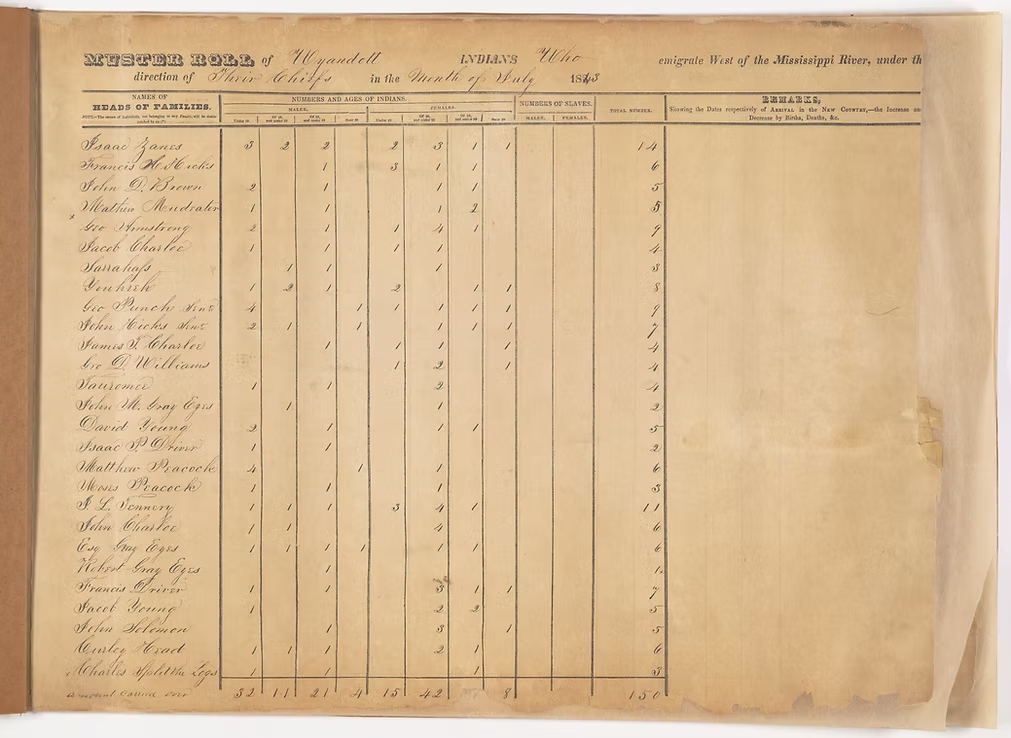
Preparation for removal was efficient. Though they aimed for a June launch, they had to push their departure back to July, mainly because they had too many tools and too much improved property to handle that quickly. When they were ready, the last roll in Ohio listed 664 people: 609 from Ohio, 55 from Michigan, and 30 from Canada. They left the Grand Reserve on July 12, 1843.
The Wyandot walked or rode in buggies and carts to Cincinnati first. All along the way, newspapers and onlookers marveled that the Wyandot were not “savages” as they believed, but well-off farmers who looked and acted very much as they did. Removal was predicated on the idea that Native Americans could never live among White people, but observers noted that these people certainly looked like they could and did live like them. It did not matter though. They had to continue south.
On July 20, in Cincinnati, they paid for passage on two steamboats to Westport, Missouri. The Republic took half while the others boarded the Nodaway. Unlike the Cherokee Trail of Tears where broken government promises and harsh conditions caused hundreds of deaths, the Wyandot controlled their own fate on their journey. At least one person died from exhaustion leaving Ohio, but the majority were healthy.
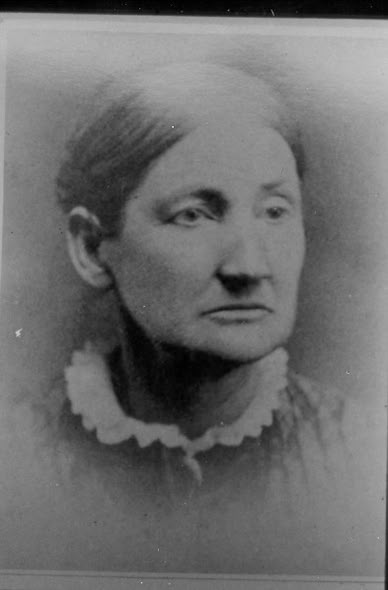
Healthy or not, the journey was emotionally devastating. The nation had to say goodbye to generations of ancestors in Ohio. To make matters worse, the captain of the Nodaway told the group in Louisville that he did not like Native Americans, and had his crew remove all the carpets in the ship so the Wyandot would not “ruin” them. This racist act was compounded when they reached Missouri. Just a few miles from their destination, the captain kicked the Wyandot off his boat, claiming he had to make it to St. Joseph before nightfall. He left them with no shelter on the banks of the Missouri River, only to spend that night having his crew reinstall the carpets instead of heading to St. Joseph.
Arriving in Missouri was only the start of the Wyandot’s struggles. The Shawnee refused to sell them land, and the US government already parceled out the supposedly unclaimed acreage the Wyandots were supposed to receive. With nowhere to go, the nation clustered on the isthmus between the Missouri and Kansas rivers, a spot the government thought too unhealthy to place a fort. While leaders negotiated with the Delaware to purchase lands, 100 people died of disease and exposure over the next few months. They buried them on the tallest hill in the area, a cemetery that still stands today.
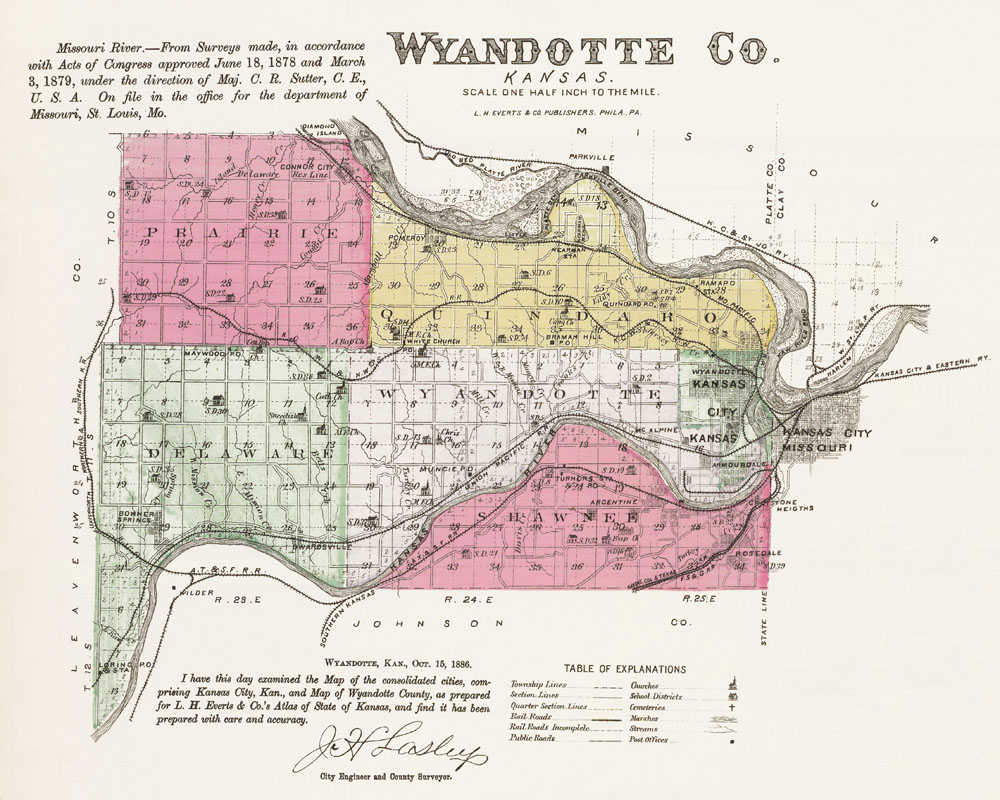
Finally, the Wyandot purchased 25,000 acres from the Delaware and began to build farms, churches, schools, and eventually Wyandotte City, which would become Kansas City, Kansas.
They Wyandot had fled Canada as the Wendat, moved south to Ohio, and were forced west to Kansas. Through all these upheavals, the nation’s identity remained. Even under impossible circumstances, the Wyandot survived and thrived.
Sources
For a more exhaustive list of secondary sources regarding Wyandot History, see the Research Resources Page
Selected Primary Sources about Wyandot Removal
- Excerpt from American Notes: Charles Dickens recorded some of his thoughts when he encountered the Wyandot Removal party during his visit to the United States. Transcribed by Darren English
- Farewell to A Beloved Land: The Wyandot’s Last Ohio Church Service July 9, 1843: Transcribed by Darren English
- Lucy B. Armstrong’s Account of Travel from St. Louis to Kansas on the Missouri Riverboat Nodaway: Lucy Armstrong wrote a series of diary entries tracing her removal west. Darren English transcribed a portion of these.
- The Migration of the Wyandots to Kansas: Another of Armstrong’s reports.
- Muster Roll of Wyandot Indians Who Departed Upper Sandusky, Ohio: The last muster roll recording all the names of the people who were forced to Kansas. By 1845, more than 100 would be dead.
- Wyandot in Kansas Territory, 1843: Rev. James Wheeler wrote a series of articles for the Western Christian Advocate newspaper chronicling the Wyandot removal. This clipping includes information about their arrival in Kansas.
- William Walker Jr.’s Journal, November 30, 1849 to June 25, 1854: William Walker Jr. was a leading Wyandot before and after Removal. This journal chronicles the nation’s time in Kansas and his role as provisional territorial governor.
- Wyandot Treaty 1843: Removal Treaty
- Wyandot Prepare for Removal from Ohio: Rev. James Wheeler chronicled Wyandot Removal for a Methodist paper published in Cincinnati. Darren English transcribed several of these articles.
- Wyandots Journey from St. Louis to Kansas: Wheeler article
- Wyandots in Kansas Territory 1843: Last Wheeler article
Secondary Sources
- Kim Dayton, ‘“Trespassers, Beware!’: Lyda Burton Conley and the Battle for Huron Place Cemetery,” Yale Journal of Law and Feminism no. 8 (1996)
- James R. Shortridge, Kansas City and How it Grew, 1822-2011 (Lawrence: University Press of Kansas, 2012)
- Mary Stockwell, The Other Trail of Tears: The Removal of the Ohio Indians (Yardley: Westholme Publishing, 2014)
- Ohio Indian Removal
- Samantha Rae Dean, ‘“As Long as Grass Grows and Water Flows”: Lyda Conley and the Huron Indian Cemetery,” Master’s thesis (Fort Hays State University, 2016)
- Wyandot Removal Trail: University of Cincinnati History Lab