Wyandot in Michigan and Ohio
The Wyandot Nation was an important power in the Great Lakes region from their arrival at Michilimackinac in the late 1600s to their removal from Ohio in 1843. Too often, we assume that once European colonizers arrived in an area, Indigenous people lost power. The Wyandot, and the dozens of other nations that occupied this region, proved that false. Instead, they remained important players working between imperial powers to survive and thrive.
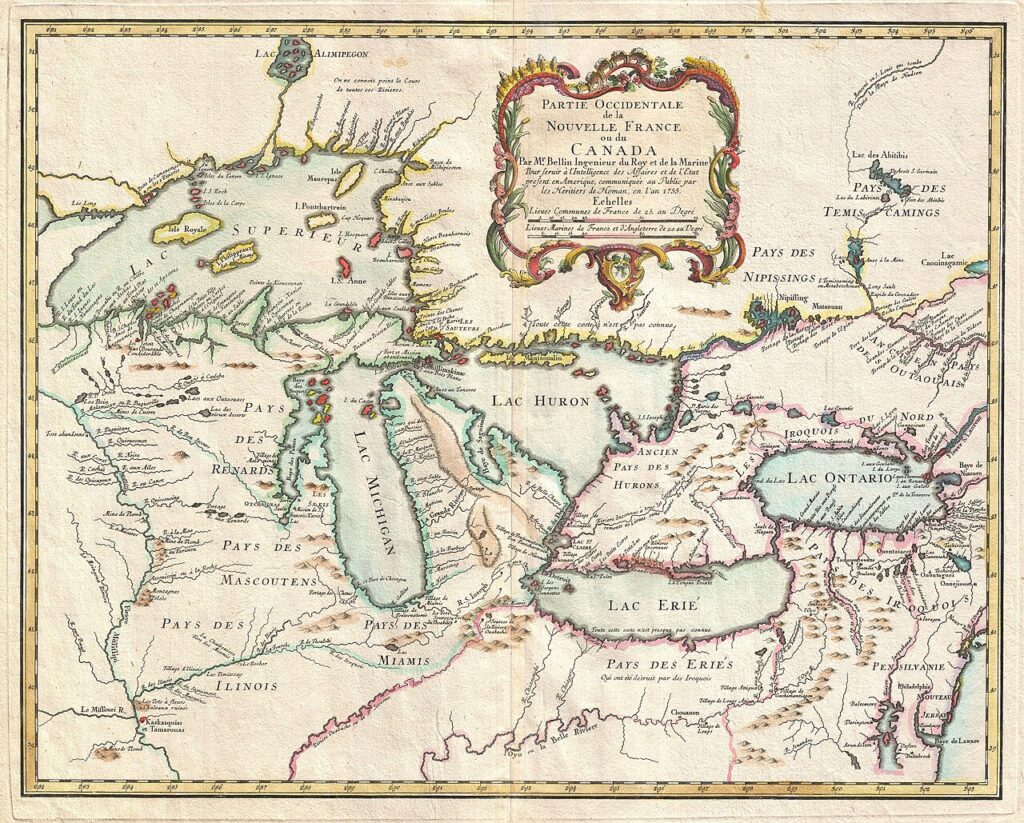
After the disastrous war with the Haudenosaunee beginning in 1648, a portion of the Wendat Confederacy moved west into modern-day Michigan and Wisconsin. By the 1670s, most of the nation settled around Michilimackinac and reestablished their trade relationships with the French. This relationship was strengthened in 1701, when the Wyandot moved south to Fort Pontchartrain outside Detroit. This move helped the French extend their trade routes into the Ohio Country, bolstering their claim to the territory against British incursions.
The Middle Ground
The Wyandot were not pawns in an imperial game, however. Instead, they were active players who negotiated between European and Indigenous political systems in order to secure their own position in a complicated political world. This is especially clear in one of the landmark agreements of French colonial policy in North America, the Great Peace of Montreal, signed in 1701.
The Great Peace was designed to settle the Beaver Wars, a series of conflicts between the British backed Haudenosaunee and the French and their allies, like the Wendat. The attack on Wendake in 1648 and 1649 was one of the opening salvos of this decades long conflict. Though it never reached that peak again, warfare continued to simmer between the Wendat/Wyandot, their Algonquian allies, and the Haudenosaunee.
During this period, Kondiaronk, known as Muskrat or Le Rat to the French, was the principal Wyandot Chief in Michilimackinac. Kondiaronk waged war alongside the French to fight off Iroquois advances, but he also manipulated his French allies to ensure that the war served Wyandot needs as well.
This relationship illustrates what historian Richard White has termed the “middle ground,” territory where neither Indigenous nor European nations were dominant. The area around the Great Lakes, known as the Pays d’en Haut by the French and the Ohio Country by the British, was the perfect example of this middle ground space. Neither the French, the British, nor any Indigenous nation could claim supremacy over this region. Instead, all groups had to balance alliances to work towards their own goals.
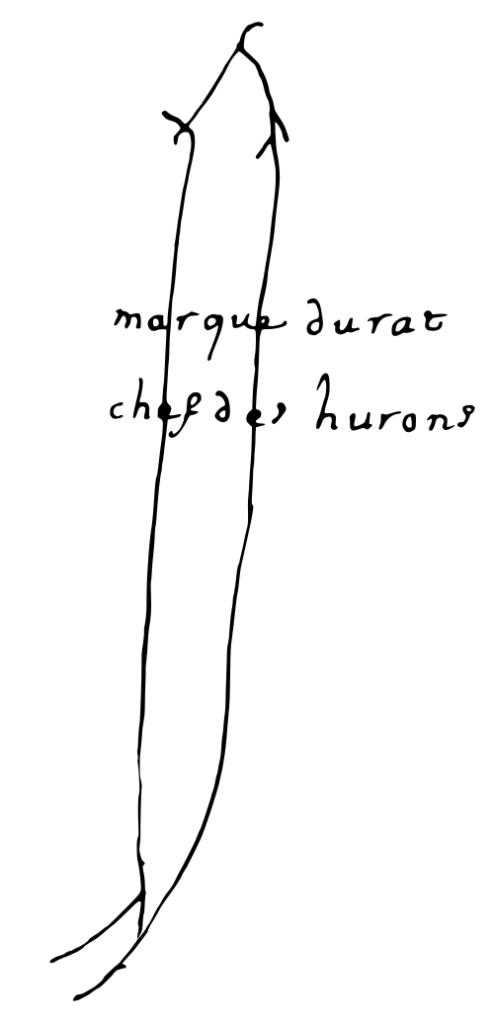
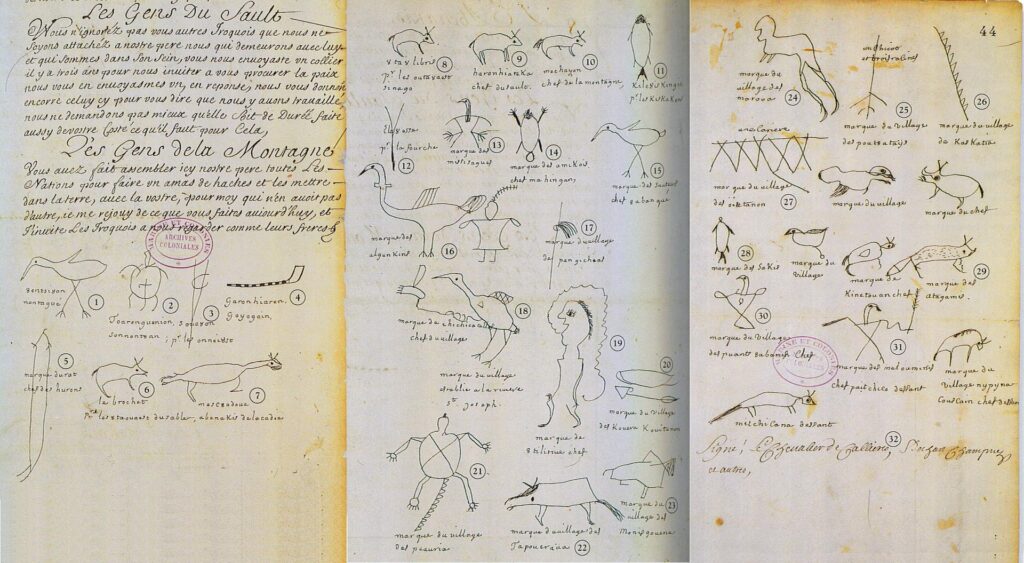
Kondiaronk excelled at this strategy. While he wanted general peace, he did not want that peace to come until he had secured the Wyandot’s place as a strong nation in the Ohio Country that could leverage its position with the French above other nations around it. To this end. Kondiaronk actually sabotaged a series of separate peace negotiations between the French, the British, and the Haudenosaunee, in order to make sure that any peace negotiations would include the Wyandot as a central nation.
That peace finally came at Montreal in 1701. There, Kondiaronk gave a powerful speech that condemned the Iroquois actions in the war and promoted himself as peacemaker. Unfortunately, he became sick at the conference and died there. But the peace he helped broker secured an end to the largest scale warfare in the region and ensured that the Wyandot remained important French allies in the decades to come.
The relationship between the Wyandot and the French was not perfect, however. Indigenous politics revolved around trade and gift giving. Indigenous nations trapped furs and grew crops for their European allies in exchange for manufactured goods. On top of this, maintaining good relationships required gift giving and other diplomatic rituals between the French Governor and their Native allies. These rituals and exchanges kept Native peoples loyal to the French over the British in the Ohio Country.
Wyandots in Ohio
By the 1750s, though, this relationship was beginning to break down. The French Empire was struggling to remain solvent, and the trade relationships that were the backbone of their diplomatic ties to Native peoples were fraying under the economic strain. Gifts were shoddy and in short supply, as were payments for things like furs. Some among the Wyandot and the Algonquian nations also allied with France began to look east toward the British colonies.
These debates marked the first serious movements of Wyandots into Ohio, an occupation that would last for a century until removal in the 1840s. The break was caused not only by a rift between the French and the Wyandot, but between the Wyandot and their Algonquian neighbors, and in the leadership structures within the nation itself.
In the 1730s, the Wyandot and Algonquian nations in Detroit were waging war against the Catawbas to their South. The Wyandot negotiated a separate peace with the Catawbas, which convinced their Algonquian allies that the Wyandots were going to attack them. A small battle broke out with no larger fighting, but it signaled that the Wyandot were not welcome in Detroit.
Village elders and chiefs, the primary and traditional leaders or the Wyandot, requested the French mediate the dispute. The French, however, could not or would not help paper over the conflict. On top of their strained financial position, this failure to act as a mediator prompted young Wyandots to turn their back on the French and their elders. Instead of following traditional hierarchies and allegiance structures, a young minor chief named Orontony moved with a band into the Upper Sandusky River Valley in modern-day Ohio. This formed a lasting break with the Wyandot living in Ohio, and those living in Michigan. Though still a single nation, both areas increasingly operated on their own political systems.
Orontony’s 1740 move was part of a much larger Indigenous revolt against France. Though not filled with fighting, it was a rejection of the familial structure that guided Indigenous and European relationships. The French were failing in their duties to their Indigenous allies. They could not provide, trade, gifts, or, as the rift between the Nations at Detroit showed, peace. By moving east and trying to establish ties with the British, Orontony and his allies were trying to either force the French to renew their commitments or seek a better situation with a different European power.
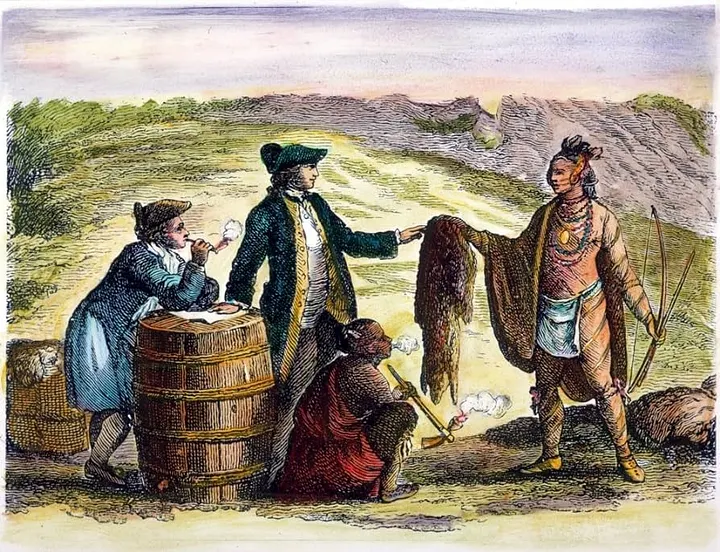
A brief war broke out between the French and Orontony’s British supported band. Orontony won a series of small victories that helped establish his independence from the French, but when he died of smallpox in 1750, his alliance collapsed. By 1752, the Wyandot in Ohio were reincorporated politically with the Wyandot in Michigan. Though some people went back west, others remained in their separate locales.
Imperial Wars and Shifting Alliances
For the moment, though, there was more unity than division among these two Wyandot groups. The late 18th century was defined by Imperial warfare, first between the British and the French, then between the British and Native Americans, and finally between the Americans and the British. In all these cases, the Wyandot used their power in the middle ground to try and secure their future as best they could.
The first of these conflicts sparked the second two. Beginning with George Washington’s foray into the Ohio Country in 1754, the French and Indian War (or Seven Years War) turned into a global conflict that ended with the collapse of French North America. The Wyandot, despite the small defection towards the British in the 1740s, fought with France to block the British from taking control of the region. When the British did conquer New France and seize Canada and the Ohio Country, they failed to either recognize the Indigenous nation’s rights to their own land or establish traditional diplomatic relationships. What resulted was growing unrest among the Indigenous nations in the west.
That unrest exploded into open warfare in 1763. Neolin, a Lenape man, preached a prophecy about returning to a traditional life in order to throw off European dominance. This message was picked up by Pontiac, and Odawa leader, and it spread to nations all across the Ohio Country, including the Wyandot. In response to this call to action, British diplomatic failures, and increasing encroachment from American settlers, the Ohio and Michigan nations launched assaults all across the country. The Wyandot in Ohio captured the British outpost at Big Sandusky, while the Michigan Wyandot joined Pontiac in a siege of Detroit which ultimately failed, as did the rest of the rebellion.
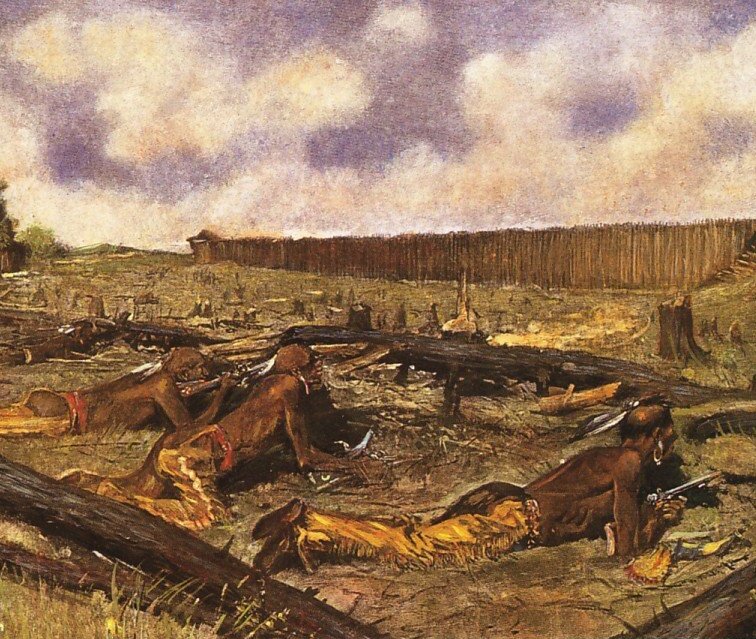
Though they did not get rid of European power, the rebellion did force the British to reestablish traditional trade relationships and, to borrow an Iroquoian phrase, “polish the chain of friendship” with the Indigenous nations in the Ohio Country. Though relations with the empire were never perfect, they did get better following the rebellion.
Unfortunately, relationships with British colonists worsened. Increasingly, settlers from Pennsylvania and Virginia began moving into the Ohio Country, taking Wyandot land and clashing with Indigenous people, against the explicit laws of the British empire. When the Americans revolted in 1775 then, the Wyandot sided with the British to try and secure their lands from further American encroachments.
One of the primary Wyandot Leaders was named Dunquat, or Half King, led Wyandot warriors from the Ohio section of the Nation against American forces in Virginia in 1778, and most importantly, against an expedition by Col. William Crawford that targeted the Sandusky settlements in 1782. Along with Lenape allies, Half King defeated Crawford’s force. Crawford was captured, tried, and executed for an earlier American massacre against Christian Delawares.
Half King’s and the Wyandot’s participation in the fighting in the west solidified their place as a principal nation in the Ohio Country. Unfortunately, because of the British defeat, that land was targeted immediately for American occupation following the Revolution. Both the Michigan and the Ohio Wyandot formed part of the bulwark of Native resistance to this movement.
War with the Americans
No single nation could stand up against American encroachments, so beginning in the 1780s, a Native power block began forming in the Ohio Country. The Northwest Confederacy, as this alliance came to be known, featured several Indigenous nations. The most prominent were the Wyandot, the Haudenosaunee, the Lenape, the Shawnee, the Miami, and the Council of the Three Fires (the Ojibwe, Odawa, and Pottawatomi).
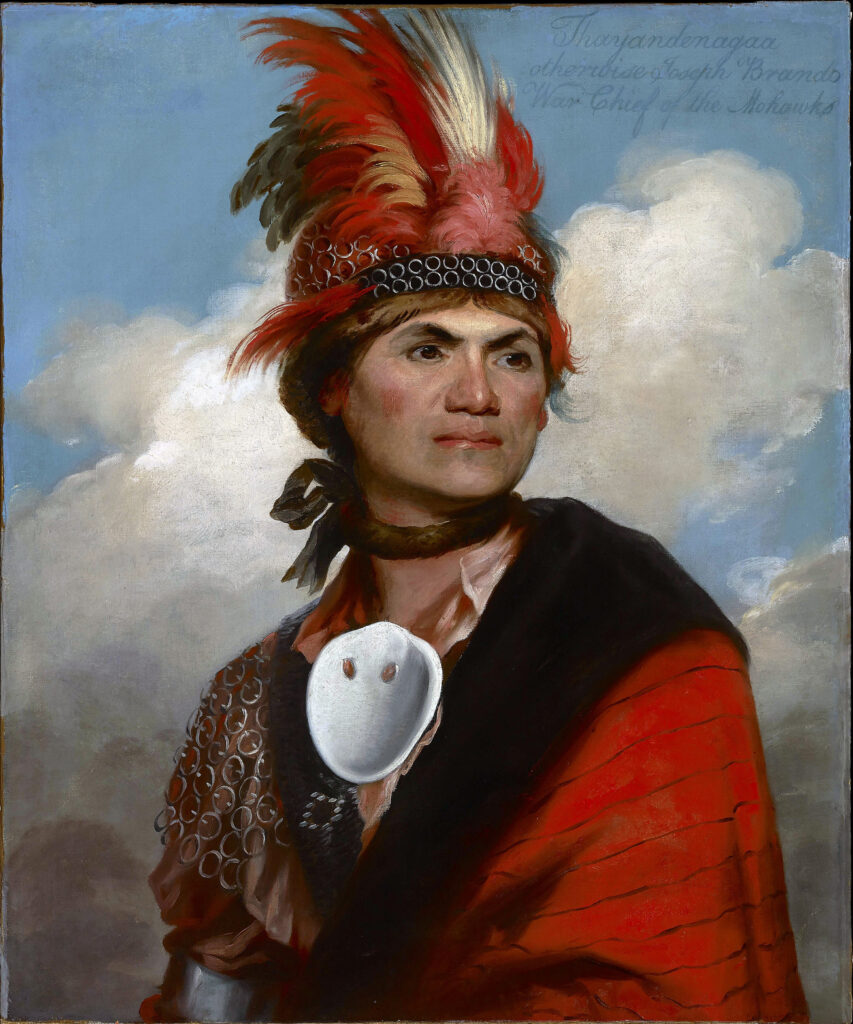
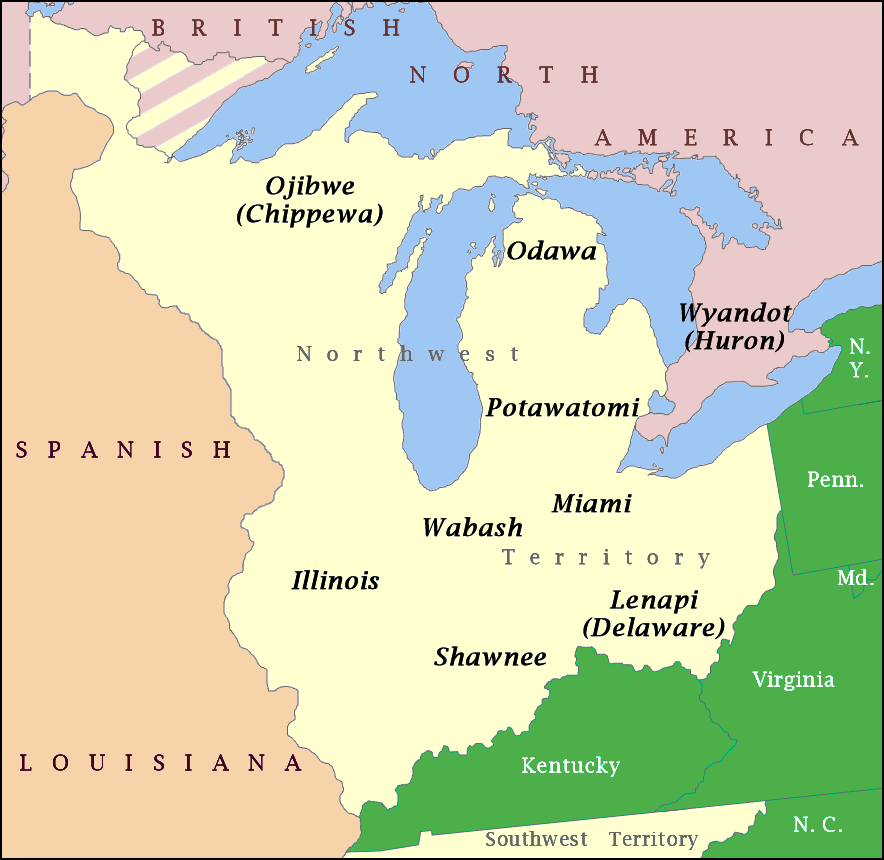
Internal politics roiled this Confederacy early in its existence. Originally, Mohawk leader Joseph Brant was the prime mover, but his desire to promote Haudenosaunee needs over the Ohio allies frustrated the other nations. This was especially true after a series of treaties that saw the Haudenosaunee give away Ohio land that did not belong to them. The Wyandot in Michigan, based in Brownstown, sought to fill this void, but they too signed a treaty that alienated their allies rather than joining them together. Because of this, leadership in the Confederacy moved south and east to Kekionga, the Miami who lived there, and the powerful Shawnee.
Just because the Wyandot were not the principal leaders of the Confederacy did not mean they did not participate in defending their land. As treaty negotiations failed and white settlers continued to steal land, war broke out and the United States launched a series of invasions into the Ohio Country to crush out the Northwest Confederacy. In 1790, Josiah Harmar led an army into the region only to be routed by the Miami under Little Turtle and the Shawnee under Blue Jacket.
The Americans doubled down on this invasion and launched another in 1791 under Arthur St. Claire. This time, Blue Jacket and Little Turtle were joined by over a thousand warriors from the Pottawatomi, the Lenape, and the Wyandot, under the leadership of a rising chief named Tarhe. The Indigenous army ambushed the Americans on the banks of the Wabash River in present-day northwest Ohio. The Wyandot and their allies crushed the US force, killing or capturing 1000 of the 1400 American soldiers in the field.
Despite this victory, the Confederacy could not hold on forever. The various nations began to separate in order to recover from the losses they sustained during the war and to rebuild villages the United States destroyed. In the meantime, the US was building a third invasion force under Anthony Wayne. He launched his assault in 1794 against a weakened Confederacy. The two armies clashed at Fallen Timbers in August, and the United States routed the Confederacy. Tarhe was the only Wyandot chief to survive the battle.
The result was US dominance in the region, something neither the British nor the French had ever managed. The war ended with the Treaty of Greenville. This treaty ceded much of Ohio to the Americans, and left a treaty line running east to west along the top third of the state. The area above that line was reserved for indigenous peoples, including the Wyandot who occupied a large reserve at Upper Sandusky, Ohio.
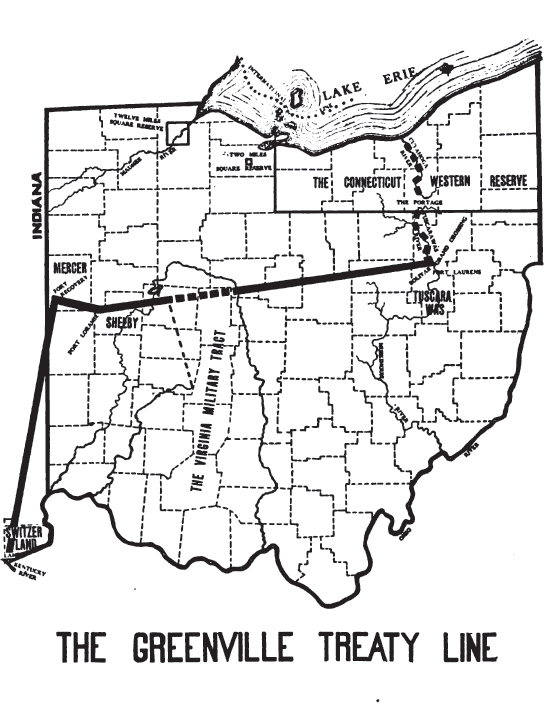
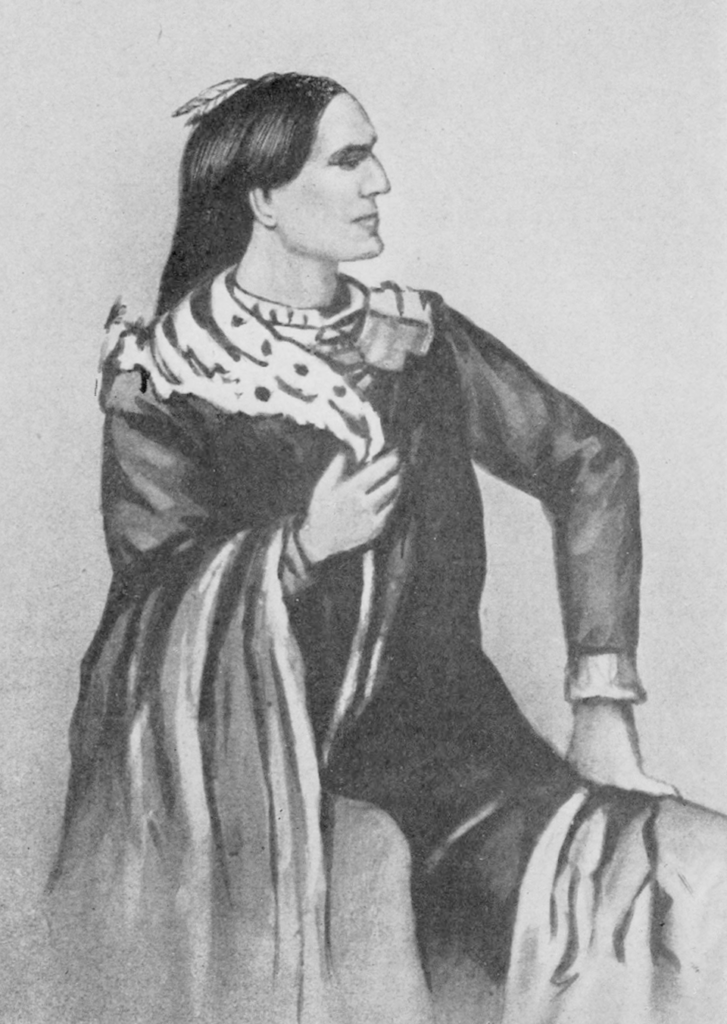
The Wyandot in Ohio and Michigan had fought on the same side of all the imperial wars in the 18th century, but the collapse of the Northwestern Confederacy and the Treaty of Greenville altered their relationship. In Ohio, Tarhe had fought for most of his life with the British against American encroachments. But after Fallen Timbers, Tarhe began to work to preserve the lands the Greenville Treaty allotted to the Wyandot rather than fighting to remove Americans from Ohio. The Americans were coming, he reasoned, and it was smarter for the Wyandot to work with the government to preserve good relationships that might help the Wyandot if illegal squatters began to move on to their lands. Moreover, the Wyandot were able to establish good trade relationships with the Americans moving in south of the Greenville line.
Farther from the rapidly filling Ohio River Valley, the Wyandot in Michigan remained tied much more closely to the British in Canada and could nurture a resistance farther from the American government. This became crucial when Shawnee Prophet Tenskwatawa and his brother Tecumseh began forming a pan-tribal alliance designed to remove the Americans from the Ohio Country.
Like Neolin and Pontiac before them, Tenskwatawa and Tecumseh built an alliance network based on religion and shared political need. They rallied nations as far south as the Muskogee in Mississippi to their cause and threatened the recently won American dominance in the Ohio Valley. Bolstered by British support, Tecumseh’s growing alliance became a serious threat by 1810.
For the Wyandot in Michigan, Tecumseh offered a tantalizing opportunity to win back lost territory and assert their place as a powerful nation in the region. As one of the dominant nations, they hosted a series of councils at Brownstown. Hosting the council implied a certain degree of deference, highlighting their respected place among the Indigenous nations in the region. Together, they formed a new confederacy that sought a clash with the Americans.
In Ohio, the Wyandot were divided. Tarhe and his allies did not want to bring on another assault on their reserve. Others, principally a chief named Roundhead, wanted to fight with Tecumseh. Roundhead led a party west to Michigan and joined forces with the Wyandot and other nations there.
Roundhead and his warriors were present at the battle of Tippecanoe, the 1811 clash with the American General William Henry Harrison that temporarily broke up the Confederacy. Tecumseh was away when the battle took place, leaving Tenskwatawa in command. Though they lost and the village of Prophetstown was broken up, the new Confederacy regrouped in time to participate in the War of 1812.
The War of 1812 was primarily a fight between the Americans and the British, but the western theater played a prominent role as each nation fought for control of the Ohio Country. Unlike in previous wars, the Wyandot in Michigan and Ohio fought on opposing sides during this conflict. Roundhead and his warriors fought with the British and Tecumseh. Tarhe led his contingent towards neutrality, but eventually went with some warriors to fight with the Americans. Tarhe was not suddenly pro-American, but instead recognized the vulnerable position his nation was in, surrounded by American settlers in Ohio. Allying with them, or at least staying neutral, was his best chance to maintain the protected land in Ohio.
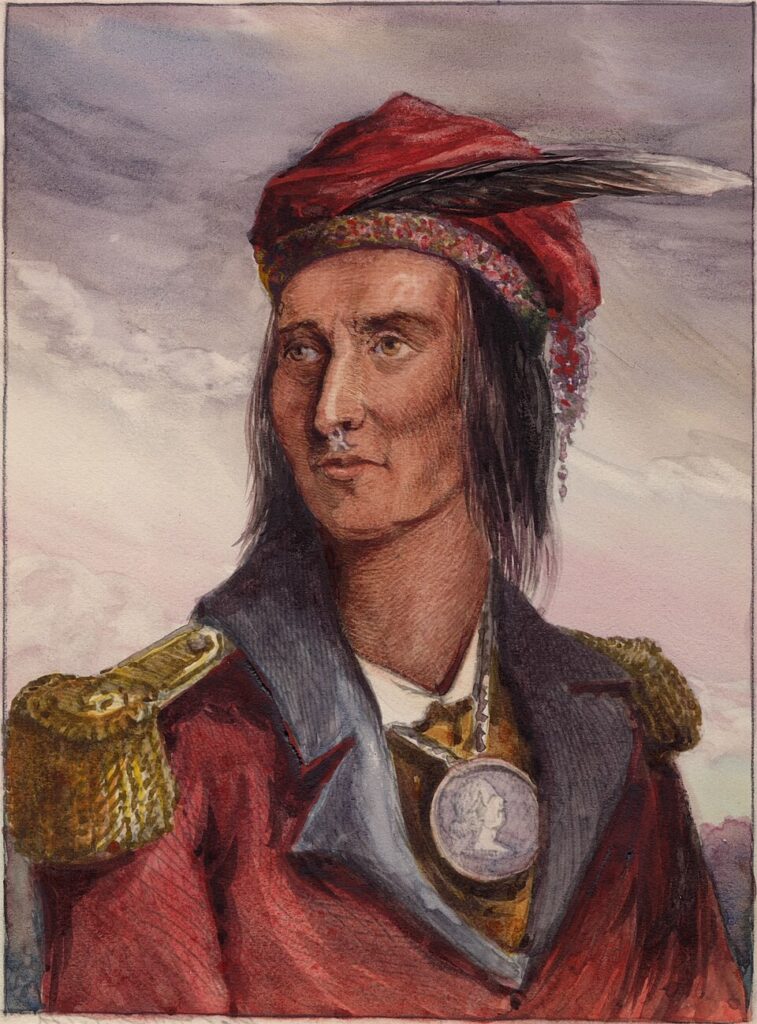
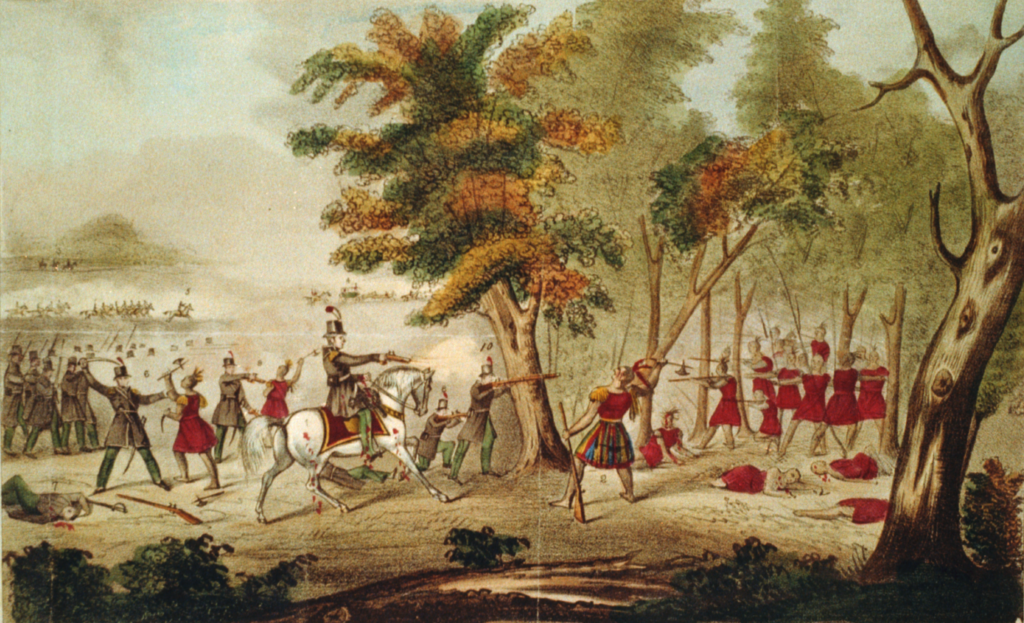
Roundhead and Tecumseh’s fight against the Americans both ended in 1813. Roundhead was campaigning with the British and Shawnee when he died in August of natural causes. Tecumseh fought with the British at the Battle of the Thames and was killed in action. With his death and the American victory over the British in the west, the alliance collapsed.
Surviving and Thriving in Ohio
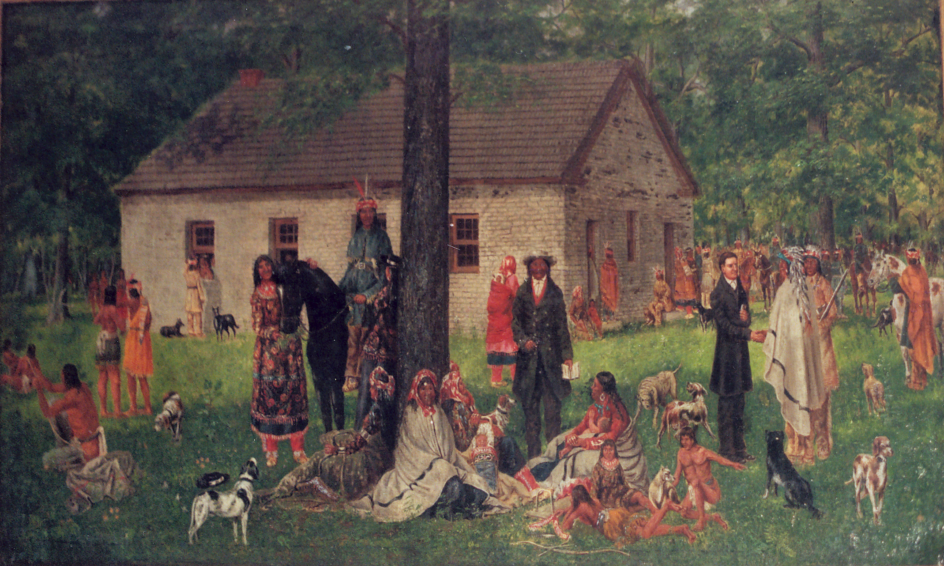
After the war, the Wyandot in Ohio sought a path towards accommodation. They had always been an agricultural nation, living in settled villages, planting, and harvesting crops. From 1815 on, they began to adopt more and more western farming practices. Plows, horses, homesteads, and livestock dotted the Upper Sandusky Reserve. American style houses replaced more traditional dwellings. Even in government, they adopted more American styles of election and established written laws.
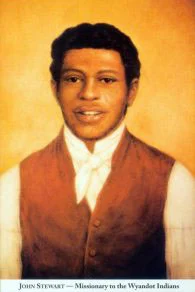
One of the most important moves towards Western traditions was the acceptance of Methodism. The Catholic Jesuit order had preached to the Wendat in the 1600s, but in Ohio, a black Methodist minister named John Stewart began evangelizing the Wyandot in Ohio beginning in 1811. By the time the Wyandot were forced from their land in 1843, Methodism was their predominant religion, one that included a Wyandot church that was deeded to them in perpetuity after their removal.
The Wyandot thrived in Ohio. Though restricted to a reserve of a few hundred thousand acres, they produced excellent crops and established close trade relationships with the Americans around them. This included marriage. Many of the families that rose to prominence were mixed race Wyandot and white marriages. The Armstrongs, Guthries, and Zanes were all families that had white relatives. Some, like the Zanes were from captured Americans incorporated into the nation. Others, like Abelard Guthrie, married a Wyandot. Far from constant hostility, the relationship between the Wyandot and the Americans outside their reserve could be profitable.
The Wyandot did not adopt western modes of living or marry Americans because they were superior to Indigenous practices, but instead as part of a political and an economic choice. Accommodation and assimilation presented the Wyandot as a safe neighbor for Americans. White settlers were always a threat, treaties were never guaranteed, and the government could enact violence at any time. Taking up white ways was a strategy to remain on their own land as an indigenous nation. Unfortunately, as with the dozens of treaties that preceded the settlement in 1795, it would not be enough.
Sources
For a more exhaustive list of secondary sources regarding Wendat and Wyandot History, see the Research Resources Page
Selected Primary Sources about the Wendat Confederacy
Many of these primary sources are treaties or documents written about the Wyandot rather than by the Wyandot. Because of that, we need to think critically about how to use and understand these sources.
- Great Peace of Montreal: 1701 Peace Agreement that helped end the Beaver Wars
- Treaty of Fort McIntosh: 1785 Agreement between a faction of the Wyandots and the American Government
- Treaty of Greenville: 1795 Treaty that ended much of the fighting in Ohio and reserved the Wyandots to Upper Sandusky
- Tarhe’s Speech at the Treaty of Greenville: Speech can be found within this longer article
- Crawford’s Campaign and Death: A report on the Crawford expedition and his execution
- John Stewart’s Letter to the Wyandot: Methodist Minister John Stewart’s letter to the Wyandots in Ohio
Selected Secondary Sources
- Kathryn Magee Labelle, Dispersed but Not Destroyed: A Seventeenth-Century History of the Wendat People (Vancouver: University of British Columbia Press, 2013)
- Richard White, The Middle Ground: Indians, Empires, and Republics in the Great Lakes Region, 1650-1815 (New York: Oxford University Press, 1991)
- Collin Calloway, The Victory with No Name: The Native American Defeat of the First American Army (New York: Oxford University Press, 2015)
- Roger L. Nichols, Indians in the United States and Canada: A Comparative History (Lincoln: University of Nebraska Press, 1998)
- Christina Snyder, Slavery in Indian Country: The Changing Face of Captivity in Early America, (Cambridge: Harvard University Press, 2010)
- The Canadian Encyclopedia, “The Great Peace of Montreal”
- Wyandot of Anderdon History
- UC History Lab Wyandot Removal Trail History
- UC History Lab Wyandot Removal Trail Biographies